Puppet shows for co-production
Save your old socks, add googly eyes, and watch children explore their experiences
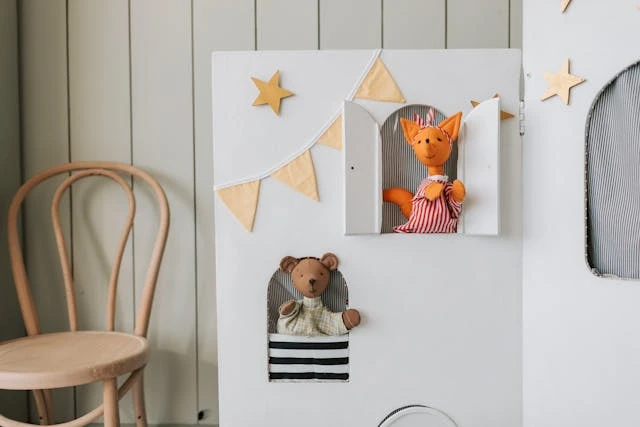
Puppet shows provide a powerful, non-threatening medium for children and young people with SEND to express their views, experiences, and ideas. This guide will help you plan and deliver effective puppet-based sessions for co-production work.
Pre-session planning
Equipment needed
- A range of puppets: people puppets of different ages and ethnicities, animal puppets (often less threatening), fantasy characters, blank puppets that can be decorated
- Portable puppet theatre or screen
- Props and backdrops
- Recording equipment (if permitted)
- Visual supports and schedules
- Feedback capture tools
Environmental considerations
- Set up in a quiet, familiar space
- Ensure good lighting but avoid fluorescent lights
- Create a separate calm space
- Arrange seating to accommodate mobility needs
- Position the puppet theatre at an accessible height
- Ensure ventilation (consider puppet material allergies)
Communication supports
- Visual choice boards for puppet selection
- Story structure templates
- Communication aids specific to participants
- Visual emotional cards
- Timer or time indicators
- Break cards
Session structure
Welcome and orientation (15 minutes)
- Use a visual schedule to explain the session
- Allow exploration of puppets and space
- Demonstrate puppet handling
- Establish communication signals
- Set basic ground rules together
Warm up activities (20 minutes)
- Simple puppet greeting exercises
- Copying movements and sounds
- Basic emotion expression with puppets
- Turn-taking practice
- Voice experimentation
Main activity options
Scenario exploration
- Present a relevant scenario (for example, a doctor's visit)
- Allow participants to choose puppets
- Support role play of current experiences
- Encourage "what if" alternatives
- Document suggestions made
Service journey mapping
- Use puppets to walk through service steps
- Identify challenges and positive moments
- Act out ideal scenarios
- Create solution scenes
- Record key points raised
Character development
- Create puppet personalities
- Develop backstories
- Express needs and preferences
- Build confidence in expression
- Note recurring themes
Facilitation techniques
Supporting participation
- Offer multiple ways to engage: operating puppets, suggesting storylines, creating voices, moving props, directing others
- Allow observation time
- Accept all forms of communication
- Use pause points for processing time
- Follow the participant's lead
Managing group dynamics
- Small groups (3 to 4 maximum)
- Clear turn-taking systems
- Visual timers for shares
- Support cards for quiet members
- Break-out options
Capturing feedback
- Designate a note-taker
- Use simple rating systems
- Take photos (with permission)
- Record key quotes
- Create visual summaries
Adapting for different needs
Sensory considerations
- Offer weighted or textured puppets
- Provide fidget alternatives
- Consider sound sensitivity
- Use natural lighting
- Allow movement breaks
Communication adaptations
- Use AAC with puppets
- Include sign language
- Incorporate symbols
- Allow typed responses
- Support physical prompting if needed
Attention span variations
- Short scene structure
- Regular movement breaks
- Change activities frequently
- Build in sensory rewards
- Flexible ending points
Following up
Session documentation
- Summarise key themes
- Create a visual record
- Share outcomes appropriately
- Maintain confidentiality
- Track impact on services
Participant feedback
- Gather views on the process
- Check understanding
- Plan next steps
- Share how input will be used
- Celebrate contributions
Troubleshooting common challenges
When participants are reluctant
- Start with observation roles
- Use familiar stories
- Incorporate special interests
- Build confidence gradually
- Celebrate small steps
Managing emotional responses
- Have comfort objects available
- Use calm down strategies
- Provide movement breaks
- Allow story distance
- Support processing time
Technical difficulties
- Have backup puppets ready
- Maintain simple props
- Keep spare resources
- Plan alternative activities
- Maintain flexibility
Success indicators
- Increased participation
- Emotional engagement
- Repeated attendance
- Growing confidence
- Actionable feedback
Safeguarding considerations
- Maintain appropriate boundaries
- Watch for disclosure signals
- Know reporting procedures
- Ensure consent for recording
- Protect confidentiality
Tips for success
- Always have alternative communication methods ready
- Follow the participant's pace and interests
- Build in plenty of processing time
- Celebrate all forms of contribution
- Keep notes on what works for each participant
- Be prepared to adapt in the moment
- Focus on the process, not the performance
- Maintain a supportive, non-judgemental atmosphere
Remember, the goal is to enable authentic expression and meaningful participation, not to create a polished performance. Be flexible, responsive, and always prioritise the comfort and engagement of your participants.
These are the activities we run when we rebuild a local offer
Every Placid site is built with parent carers and young people in sessions like these, and Belong is built the same way with SENCOs. If you would rather not run them yourself, we can come and run them for you, gather fresh data for a section of your local offer, or refresh a section that has gone stale.
See how Placid is built →Talk to Jonny about running these with you →